

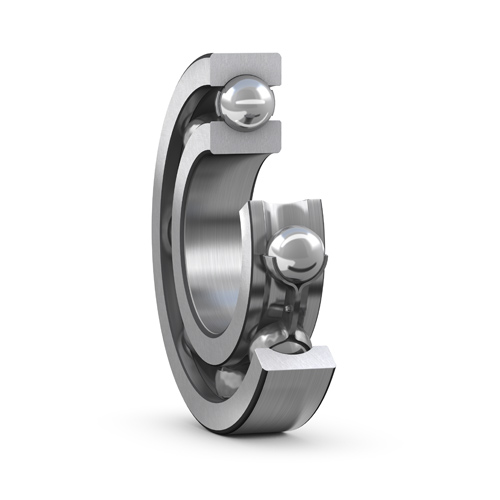
209KRR3Z22-P, Fafnir, Single Row Deep Groove Ball Bearing

Bearing, EAN code: 0087796041530
209KZ6FS50000, Fafnir, Single Row Deep Groove Ball Bearing
Bearing, EAN code: 0087796041448
209PPZ6FS50000, Fafnir, Single Row Deep Groove Ball Bearing
Bearing, EAN code: 0087796041554
209PZ6FS50000, Fafnir, Single Row Deep Groove Ball Bearing
Bearing, EAN code: 0087796041547
209WDC1, Fafnir, Single Row Deep Groove Ball Bearing
Bearing, EAN code: 0087796041653
209WDDN, Fafnir, Single Row Deep Groove Ball Bearing
Bearing, EAN code: 0087796041660
209WDGC1, Fafnir, Single Row Deep Groove Ball Bearing
Bearing, EAN code: 0087796041677
209W, Fafnir, Single Row Deep Groove Ball Bearing
Bearing, EAN code: 0087796041646
209WG, Fafnir, Single Row Deep Groove Ball Bearing
Bearing, EAN code: 0087796041684
224W3BR, Fafnir, Single Row Deep Groove Ball Bearing
Bearing, EAN code: 0087796067066
214KC3, Fafnir, Single Row Deep Groove Ball Bearing
Bearing, C3 Clearance, EAN code: 0087796066571
214KDDC3, Fafnir, Single Row Deep Groove Ball Bearing
Bearing, C3 Clearance, EAN code: 0087796066588
214NPPC1, Fafnir, Single Row Deep Groove Ball Bearing
Bearing, EAN code: 0087796066809
214WDC1, Fafnir, Single Row Deep Groove Ball Bearing
Bearing, EAN code: 0087796066670
214WDD, Fafnir, Single Row Deep Groove Ball Bearing
Bearing, EAN code: 0087796066687
214W, Fafnir, Single Row Deep Groove Ball Bearing
Bearing, EAN code: 0087796066663
215KDDC1, Fafnir, Single Row Deep Groove Ball Bearing
Bearing, EAN code: 0087796066717
215KFS50000, Fafnir, Single Row Deep Groove Ball Bearing
Bearing, EAN code: 0087796066694
215NPPC1, Fafnir, Single Row Deep Groove Ball Bearing
Bearing, EAN code: 0087796066724
215WDN, Fafnir, Single Row Deep Groove Ball Bearing
Bearing, EAN code: 0087796066748
Where are single row deep groove ball bearings used?
Single row deep groove ball bearings are excellent for high speed applications with a low to moderate load. They are generally quiet during operation and require little maintenance.
These bearings are found across all industries, and are suitable for a vast range of applications. They are available with metal shields or rubber seals along with a range of other sealing materials, to suit every operating environment.
Thanks to their versatility and high level of performance, single row deep groove ball bearings have become the most commonly used bearing worldwide.
Single row deep groove ball bearings FAQs
What are single row deep groove ball bearings?
Single row deep groove ball bearings are the most commonly used type of ball bearings. They consist of a single row of rolling elements (balls) between an inner and outer ring, with a cage that keeps the balls evenly spaced. These bearings are capable of handling radial loads and moderate axial loads in both directions.
What are the typical applications of single row deep groove ball bearings?
Single row deep groove ball bearings are versatile and used in many applications, including:
- Electric motors and generators
- Automotive parts (wheel hubs, gearboxes, transmissions)
- Pumps and compressors
- Household appliances (washing machines, fans)
- Industrial machinery (conveyors, fans, blowers)
- Agricultural equipment Their simple design, reliability, and ability to operate at high speeds make them ideal for a wide range of applications.
What is the difference between open and sealed/shielded single row deep groove ball bearings?
- Open bearings: These bearings do not have seals or shields and are designed to be lubricated externally. They are suitable for clean environments where re-lubrication is possible.
- Sealed bearings (RS or 2RS): These bearings have contact seals that protect against contaminants like dust and moisture. They are pre-lubricated and usually maintenance-free.
- Shielded bearings (Z or ZZ): These bearings have non-contact metal shields to protect against larger particles, offering less friction than sealed bearings but more protection than open bearings.
What factors should I consider when selecting a single row deep groove ball bearing?
To select the right bearing, consider:
- Load capacity: Ensure the bearing can handle the expected radial and axial loads.
- Speed rating: Make sure the bearing is suitable for the operating speed.
- Environmental conditions: Choose the appropriate sealing type depending on whether contamination, moisture, or dust is a factor.
- Bearing size: Select the correct inner diameter (bore), outer diameter, and width for your application.
- Lubrication needs: If lubrication is challenging, consider sealed or shielded bearings.