

Bearing Failure in the Food & Beverage Industry: Diagnostic Questions Answered
Recurring Failures
Q: Are you experiencing bearing failures in the same location every few months?
Case-Based Insight:
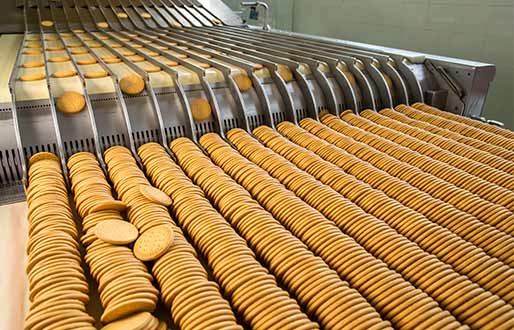
In a national biscuit production facility, bearings were failing every 6–8 weeks. The issue wasn’t product quality; it was contamination and inconsistent specification across the line.
Once sealing and configuration were standardised, the site achieved 3 years uninterrupted operation.
Washdown & Contamination
Q: How confident are you that washdown procedures aren’t compromising your bearing seals?
Case-Based Insight:
In the biscuit plant, atmospheric oil mist and environmental contaminants were entering open configurations, degrading lubrication performance.
Upgrading to 2RS sealed bearings and eliminating ingress points stopped contamination at source, preventing the repeat failure cycle.
Mixed Specifications
Q: Do you have a mix of metric and imperial bearings across your production lines?
Case-Based Insight:
During the investigation, ACORN uncovered mixed bearing sizes and insert types within the same application.
This inconsistency created sealing weaknesses and lubrication instability.
Standardising the specification was a key factor in eliminating failures.
Reactive Maintenance Culture
Q: Are you replacing bearings reactively rather than reviewing the root cause?
Case-Based Insight:
The site had been replacing bearings repeatedly without investigating the underlying cause.
Once a full strip-down inspection was carried out, systemic contamination issues were identified and corrected, eliminating the 8-week failure cycle entirely.
Cost of Downtime
Q: Have you calculated the true cost of an 8-hour stoppage on your production line?
Case-Based Insight:
By eliminating recurring failures, the biscuit manufacturer avoided an estimated £100,000 in downtime-related costs over three years.
The biggest savings came from preventing disruption, not just reducing bearing spend.
Lubrication Integrity
Q: How well protected is your lubrication system from airborne oil mist and cleaning chemicals?
Case-Based Insight:
In this case, contamination was compromising lubrication performance.
Installing sealed 2RS bearings and plugging grease nipples prevented ingress, stabilised lubrication and extended bearing life significantly.
Hygiene & Compliance Risk
Q: Are you confident that recurring bearing failures aren’t creating hygiene risks in production areas?
Case-Based Insight:
In food environments, repeat failures increase risk including debris, grease leakage and unplanned intervention.
By eliminating failures altogether, the site not only improved uptime but reduced hygiene exposure points.
Specification Audits
Q: When was the last time your roller applications were fully audited for specification consistency?
Case-Based Insight:
The turning point in this case was a full strip-down and inspection.
What looked like routine wear turned out to be a specification inconsistency issue, something that wouldn’t have been uncovered without a deeper technical review.