

Fail-Safe Operation and Why it Matters in Power Transmission
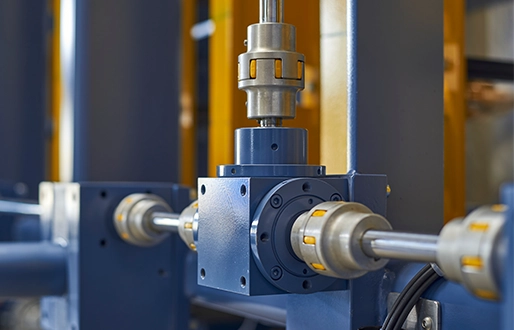
When discussing couplings, you will often hear the term ‘fail-safe’. In power transmission, this is an important design feature to consider, particularly where continued torque transmission is critical to machine operation and safety.
What does fail-safe mean?
A fail-safe coupling is designed to continue transmitting torque even if its flexible element fails.
It does this through the interlocking of the metallic parts within the coupling, allowing drives to continue rather than stopping abruptly. In the right application, this can help reduce the risk of complete loss of drive, minimise disruption, and protect surrounding machinery from catastrophic failure.
Find out the 12 reasons for coupling failure and how to avoid them
Why do coupling elements fail?
Coupling elements can fail for many reasons, but the most common cause is that operating conditions exceed the component’s design limits.
Angular, parallel or axial misalignment can force a coupling to flex beyond its intended range. Over time, this creates excess heat, accelerates fatigue, and can lead to premature element failure.
Start-up loads, machine jams or sudden process surges can all create torque spikes. If these exceed the coupling’s rated capacity, the element may fail.
A coupling that is undersized, oversized, or simply the wrong type for the application can wear prematurely or fail early. Correct selection depends on the full operating requirement, not just nominal torque figures.
There are often early signs that a coupling element is deteriorating. These can include:
- Increased vibration or noise
- Visible cracking
- Rusting or rubber dust
- Abnormal heat around the coupling
- Fluctuating motor current
Spotting these signs early can help prevent unexpected downtime and avoid wider machine damage.
Where do fail-safe couplings work best?
Fail-safe couplings are best suited to applications where ongoing torque transmission is important, even if the flexible element has failed. Typical applications include pump sets, mining conveyors, hoists, construction machinery, marine drives etc. These environments often involve high shock loads, demanding duty cycles, or safety-critical operation, making coupling selection especially important.
Protorque Fail-Safe Couplings
Protorque offers fail-safe coupling options for applications where reliability and continued drive matter. Selecting the right coupling is not only about transmitting torque. It is about protecting equipment, maintaining control, and supporting long-term performance.
Maximise efficiency with Protorque® Couplings, trusted for performance and reliability. Contact ACORN’s Couplings & Drives team to discuss the right solution for your machinery.