

1030T PB HUB, Falk, Size 1030T Pilot Bored Hub (0246653)
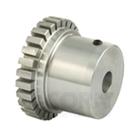

0246653, Pilot Bore, Hub, EAN code: 782934007361
1030T GRID, Falk, Size 1030T Grid (0762811)
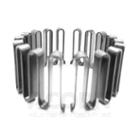
0762811, Alloy Steel, Grid, EAN code: 782934006029
1050T GRID, Falk, Size 1050T Grid (0762813)
0762813, Alloy Steel, Grid, EAN code: 782934006043
1050T10 COVER, Falk, Size 1050 T10 Horizontally Split Cover (0775810)
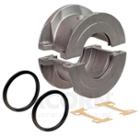
0775810, Aluminium, Horizontal cover, EAN code: 782934006326
1090T GRID, Falk, Size 1090T Grid (0758252)
0758252, Alloy Steel, Grid, EAN code: 782934005695
1030T10 COVER, Falk, Size 1030 T10 Horizontally Split Cover (0775805)
0775805, Aluminium, Horizontal cover, EAN code: 782934006272
1030T20 COVER, Falk, Size 1030 T20 Vertically Split Cover (0706740)
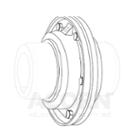
0706740, Aluminium, Vertical cover, EAN code: 782934003158
1060T GRID, Falk, Size 1060T Grid (0762814)
0762814, Alloy Steel, Grid, EAN code: 782934006050
1070T PB HUB, Falk, Size 1070T Pilot Bored Hub (0246657)
0246657, Pilot Bore, Hub, EAN code: 782934007408
1110T PB HUB, Falk, Size 1110T Pilot Bored Hub (0246661)
0246661, Pilot Bore, Hub, EAN code: 782934007446
PHE 1160TGGRID, SKF, Tapered grid coupling grid
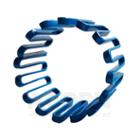

Alloy Steel, Grid, EAN code: 07316572623954
PHE 1070TGGRID, SKF, Tapered grid coupling grid
Alloy Steel, Grid, EAN code: 07316572623862
1130T PB HUB, Falk, Size 1130T Pilot Bored Hub (0246663)
0246663, Pilot Bore, Hub, EAN code: 782934007460
1090T10 COVER, Falk, Size 1090 T10 Horizontally Split Cover (0776215)
0776215, Aluminium, Horizontal cover, EAN code: 782934006425
1020T GRID, Falk, Size 1020T Grid (0762810)
0762810, Alloy Steel, Grid, EAN code: 782934006012
1050T20 COVER, Falk, Size 1050 T20 Vertically Split Cover (0706742)
0706742, Aluminium, Vertical cover, EAN code: 782934003172
1060T PB HUB, Falk, Size 1060T Pilot Bored Hub (0246656)
0246656, Pilot Bore, Hub, EAN code: 782934007392
1060T10 COVER, Falk, Size 1060 T10 Horizontally Split Cover (0775811)
0775811, Aluminium, Horizontal cover, EAN code: 782934006333
1070T GRID, Falk, Size 1070T Grid (0758250)
0758250, Alloy Steel, Grid, EAN code: 782934005671
1070T20 COVER, Falk, Size 1070 T20 Vertically Split Cover (0706744)
0706744, Aluminium, Vertical cover, EAN code: 782934003196
What is a grid coupling?
Grid coupling are commonly used in applications which require high torque transmission, but where levels of vibration and shock loads are also common.
They feature a steel grid which runs between two slotted hubs, increasing the torsional flexibility of the coupling.
These couplings have the potential to reduce vibration by up to 30%, helping to prolong the life of surrounding drive equipment.
Grid couplings typically offer:
- High torque capacity for compact dimensions
- Good damping of shock loads and vibration
- Ability to accommodate angular and parallel misalignment
- Overload protection by controlled grid flexing
- Replaceable grid element for simple maintenance
Typical applications
Grid couplings are widely used in:
- Pumps and compressors
- Conveyors and bulk handling equipment
- Crushers, mixers and agitators
- Fans and blowers
- Steel, mining and quarrying machinery
- Pulp and paper, cement and general process industry drives
From small process drives to heavy‑duty conveyors and crushers, we can help you select the right grid coupling for your duty and operating conditions.
Grid Couplings FAQs
How often should the grid be replaced?
Replacement intervals depend on load, alignment, speed and operating conditions. The grid should be inspected during planned maintenance intervals for signs of wear, distortion or cracking, and replaced as required. Many users treat the grid as a routine spare.
Are grid couplings suitable for high‑shock applications?
Yes. One of the main advantages of grid couplings is their ability to absorb shock loads and dampen torsional vibration, making them ideal for high‑shock or high‑inertia drives such as crushers, conveyors and heavy mixers.