

PTC180H, Protorque, Tyre Coupling P180 H Flange (To Suit 4535 T/L Bush)
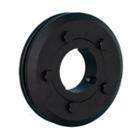

Tapered Bore, Hub
PTC180NR, Protorque, Tyre Coupling P180 NR Tyre
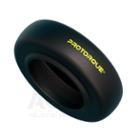
Natural, Tyre
PTC200FR, Protorque, Tyre Coupling P200 FRAS Tyre
F.R.A.S., Tyre
PTC200NR, Protorque, Tyre Coupling P200 NR Tyre
Natural, Tyre
PTC40B, Protorque, Tyre Coupling P40 RSB Flange
Pilot Bore, Hub
PTC40F, Protorque, Tyre Coupling P40 F Flange (To Suit 1008 T/L Bush)
Tapered Bore, Hub
PTC40FR, Protorque, Tyre Coupling P40 FRAS Tyre
F.R.A.S., Tyre
PTC40H, Protorque, Tyre Coupling P40 H Flange (To Suit 1008 T/L Bush)
Tapered Bore, Hub
PTC40NR, Protorque, Tyre Coupling P40 NR Tyre
Natural, Tyre
PTC50B, Protorque, Tyre Coupling P50 RSB Flange
Pilot Bore, Hub
PTC50FR, Protorque, Tyre Coupling P50 FRAS Tyre
F.R.A.S., Tyre
PTC60B, Protorque, Tyre Coupling P60 RSB Flange
Pilot Bore, Hub
PTC60FR, Protorque, Tyre Coupling P60 FRAS Tyre
F.R.A.S., Tyre
PTC70B, Protorque, Tyre Coupling P70 RSB Flange
Pilot Bore, Hub
PTC70F, Protorque, Tyre Coupling P70 F Flange (To Suit 2012 T/L Bush)
Tapered Bore, Hub
PTC70FR, Protorque, Tyre Coupling P70 FRAS Tyre
F.R.A.S., Tyre
PTC70H, Protorque, Tyre Coupling P70 H Flange (To Suit 1610 T/L Bush)
Tapered Bore, Hub
PTC70NR, Protorque, Tyre Coupling P70 NR Tyre
Natural, Tyre
PTC80F, Protorque, Tyre Coupling P80 F Flange (To Suit 2517 T/L Bush)
Tapered Bore, Hub
PTC80H, Protorque, Tyre Coupling P80 H Flange (To Suit 2012 T/L Bush)
Tapered Bore, Hub
What are the features and benefits of tyre couplings?
Flex Couplings are available with various different elements: tyres, flanges and spacers. The tyre, which is positioned between the two metal hubs, transmits the torque.
Features & Benefits of the Flex Tyre Coupling
- Easy installation
- Excellent resistance to shock loads
- Vibration dampening
- Virtually maintenance-free
- Can accommodate angular, parallel and axial misalignment
- Also available as flex spacer
Tyre Couplings FAQs
What is a tyre coupling?
A tyre coupling is a torsionally flexible shaft coupling that uses a reinforced rubber “tyre” element to transmit torque between two metallic hubs.
A typical tyre coupling consists of:
- Two metallic flanges or hubs
- One flexible rubber or elastomeric tyre element
- Clamping hardware to secure the tyre in place
The flexible tyre is bolted or clamped between the hubs. Its high flexibility allows it to accommodate significant misalignment and absorb shock loads, making it ideal for harsh or uneven operating conditions.
What information do I need to select the correct tyre coupling?
We’ll typically need: shaft sizes, required torque or power and speed (rpm), type of driver and driven machine, allowable misalignment, level of shock loading, and details of the operating environment (temperature, moisture, chemicals, dust). With this information, our specialists can recommend a suitable size and tyre compound.
Are hubs and tyre elements supplied together or separately?
Tyre couplings are commonly supplied as a combination of separate components: two hubs (or flanges) and one tyre element. This allows you to select hub bores or taper bushes to suit your shafts and pair them with the appropriate tyre size and compound.