

The Importance of Proper Bearing Lubrication for Optimal Performance
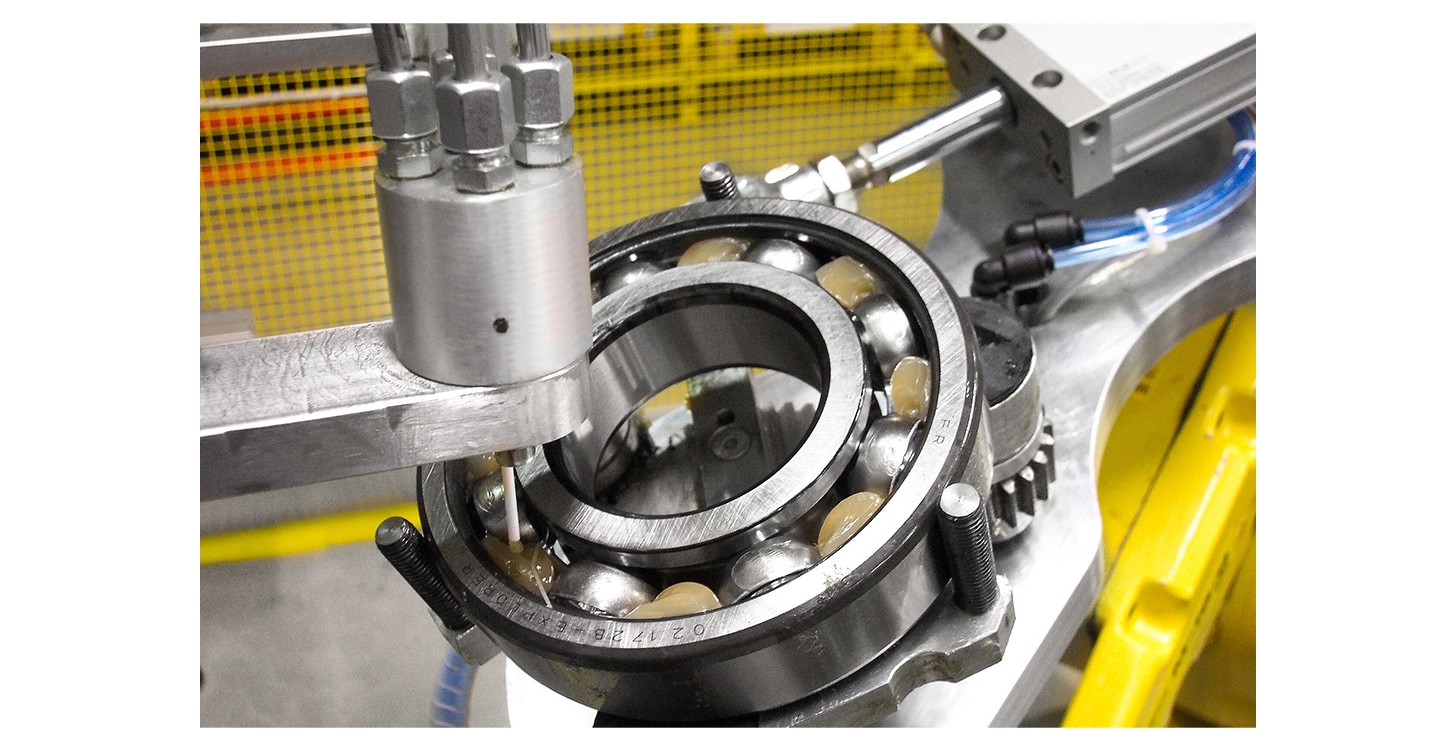
Bearings are the unsung heroes in most machinery. They allow for smooth rotation or linear movement, letting equipment run with minimal friction. However, without the right type and amount of lubricant, they’re vulnerable to excessive heat, contamination, and, ultimately, failure.
Surprisingly, lubrication-related issues are a leading cause of bearing failure. A study from SKF found that they attribute 36% of premature bearing failures to poor lubrication practices.
In this guide, we run you through the importance of lubrication. But first, if you already know what you’re looking for, be sure to check out our extensive range of bearing lubrications.
Why Bearing Lubrication is Crucial
Bearings are essential components in machinery, allowing smooth rotational or linear movement while minimising friction.
However, bearings are vulnerable to excessive heat, contamination, and even failure without the right type and amount of lubricant. With properly lubricated bearings, you’ll not only avoid frequent maintenance headaches but also extend the life of your machinery and minimise costly downtime.
Lubricants, such as oils and greases, serve two primary functions:
-
Reducing friction: By forming a thin film between the moving parts, lubricants minimise metal-to-metal contact, reducing wear and heat.
-
Protecting against contaminants: Lubricants can act as a barrier against dust, dirt, and other particles, helping to prevent these contaminants from getting into the bearing and causing damage.
Common Lubrication Mistakes That Cause Bearing Failure
Many lubrication issues can result in early bearing failure, often impacting production and repair costs. Here are three of the most common mistakes and how to avoid them:
Insufficient Lubrication
Bearings need a specific level of lubrication to function correctly, so running them without enough lubricant or missing reapplications can cause bearings to eventually seize up. This is particularly damaging for machinery that requires consistent uptime, as inadequate lubrication leads to dangerous operating conditions due to increased friction, overheating, and breakdown.
Over-lubrication
While it’s easy to assume more is better, over-lubrication can be just as harmful as under-lubrication. When too much lubricant is applied, excess can leak through the bearing’s seal.
This not only wastes valuable resources but also damages the seal; when this happens, contaminants like dirt or dust can make their way into the bearing, potentially leading to failure over time.
Using the Incorrect Lubricant
Not all lubricants are created equal, so it’s essential to choose the right lubricant type for your machinery, as different environments require different lubrication solutions.
Lubricants range from oils to greases, and each has unique properties designed to meet specific conditions. For example, a bearing used in a high-temperature environment, like an oven, needs a lubricant capable of withstanding extreme heat.
Using an oil or grease not designed for the given temperature can lead to rapid breakdown of the lubricant, leaving the bearing exposed to damage.
Best Practices for Effective Bearing Lubrication
Here are some essential tips to help ensure optimal bearing lubrication and extend the life of your equipment:
-
Choose the right lubricant: Assess your operating environment carefully before selecting a lubricant. Temperature, speed, and load requirements all play a role in determining the best choice between oils, greases, and high-temperature-resistant lubricants.
-
Create a regular maintenance schedule: Consistent, scheduled maintenance prevents issues from building up over time. Routine checks and re-lubrication help keep bearings functioning efficiently.
-
Consult with a Lubrication Expert: Not every lubrication type or method is suited for all bearings, so working with a professional like our Lubrication Product Manager, can be invaluable. They can help you select the most effective lubrication and maintenance plan for your machinery, ensuring that lubrication is not only applied correctly but also maintained.
Conclusion
Proper bearing lubrication is more than a maintenance task; it’s a critical step in ensuring the optimal performance and longevity of your machinery. By avoiding common mistakes (such as under-lubrication, over-lubrication, and using the wrong lubricant type), you can reduce friction, minimise downtime, and enhance the overall reliability of your industrial equipment.
Reach out to Acorn Industrial Services for industrial support with your lubricationACORN’S Lubrication specialist can help you create an intuitive lubrication strategy to ensure that you’re not only protecting your bearings, but also your bottom line.
FAQs
What is the best lubricant for bearings?
There is no best lubricant for bearings, instead you should consider factors like:
-
Application
-
Operating speed
-
Bearing load
-
Operating and still temperatures
General machinery bearings: For general machinery and wheel bearings, you should consider bearing grease that has lithium-complex elements, as these tend to provide extreme-pressure protection and wear resistance. These could include greases like TG8404 Lithium Grease or TG9004 Red Lithium Complex Grease.
High-speed bearings: High-speed bearings require greases that will keep internal friction and heat generation to a minimum. Lubricants like the SKF LGLT 2 are an excellent choice for this kind of bearing.
Precision bearings: Precision bearings require the best quality lubricants available. This is because those lubricants help to prevent premature failure through issues like excessive friction or overheating. For high-speed operations and spindles, consider synthetic ester and hydrocarbon oils with lithium soap or barium complex, as these tend to prevent the bearing from overheating.
Extreme conditions: For bearings operating in extreme conditions, you should consider lubricants that are highly viscous or water repellent. For instance, bearings that operate under high loads or vibration should be greased with greases that include graphite or that are calcium-sulphanate complex, like SKF Extremely High Viscosity Grease. In wet environments, consider waterproof adhesive greases like ROCOL 12754.
There are thousands of applications that bearings are used for, and the above list is not extensive. Please speak to one of our experts if you’re unsure about what lubricants is best suited for your needs.
FAQs
Is oil or grease better for bearing lubrication?
Both oil and grease can be very suitable for lubrication. Which one is better suited depends entirely on its application.
In general, you should consider grease for applications where:
-
Protection from external elements is required (dust, moisture, dirt).
-
Bearings are hard to replace, so maintenance is harder to perform.
-
Where operating temperatures and speeds are both low (in high-speed applications, grease can overheat and cause bearing failure).
In general, you should consider oil for applications where:
-
Heat generated by high friction is an issue, as oil can be circulated continuously to help dissipate that heat.
-
Grease would break down in high-speed applications, so oil is the only viable solution.
-
Where complex systems could leak, it is much easier to drain and replace oil.
If you’re unsure, speak to one of our experts, and be prepared to answer questions like ‘What is the RPM of the machine’ and ‘What are the temperature conditions.
FAQs
Is WD-40 a good lubricant for bearings?
No. WD40 is not a good lubricant for bearings, as it acts more as a solvent and a degreaser, which means it’ll strip away the internal grease within the bearing, causing premature failure.
FAQs
How to properly lubricate a bearing?
Step 1: Choose the right lubricant. Lithium grease is a good all-purpose choice, but be aware that high-load or high-temperature applications require specialist grease. Oil may be the best choice for high-speed or high-temperature applications.
Step 2: Use a solvent like isopropyl alcohol to strip away the old grease or debris from the bearing. Dry the bearing thoroughly, do not proceed if the bearing isn’t fully dry.
Step 3: For open bearings, put a golf-ball-sized glob of grease into your hand, and press the wide end of the bearing cone into the grease repeatedly. Do this until the lubricant is forced out of the other side.
For sealed bearings, gently pry away the rubber seal (or metal shield if the bearing is shielded. Pack the grease into the exposed balls until the cavity is filled, then replace the seal or shielding.
Step 4: Run the bearing slowly to distribute the grease, and wipe off any excess grease that is expelled or remaining on the housing.
FAQs
Can I use vaseline as bearing grease?
No, vaseline does not provide the long-term protection that bearings require for continual use and will likely contribute to bearing failure and downtime.
FAQs
Why is over-greasing a bearing bad?
Over-greasing a bearing is bad because it can cause issues like heat build-up and seal damage.
FAQs
What are common greasing mistakes?
Common bearing greasing mistakes include:
-
Over-greasing: Over-greasing bearings causes them to overheat, and may also cause seal damage.
-
Mixing incompatible grease types: This can be easily done, and may result in greases liquifying.
-
Under-greasing: Under-greasing may cause issues with metal-on-metal wear, resulting in premature failure.
-
Incorrectly cleaning the fittings: Incorrectly cleaned fittings may see contaminants pushed into the bearings.
FAQs
How to tell if a bearing is over-greased?
When you grease your bearings, you should monitor operating temperatures, as this may suggest the bearing is overheated.
You should also look out for issues like grease leaking out of the seals and relief ports, abnormal noises or vibrations, and finding hardened grease inside the housing or on exhaust ports.
FAQs
How often should I lubricate my bearings?
In general, bearing lubrication for industrial applications follows a mathematical formula, that takes into account many different factors, including:
-
Bearing type
-
Bore size
-
Contamination levels
-
Operating speed
-
Operating temperature
For industrial and mechanical applications, you should consider using tools like the NSK Bearing Calculator, which can help you determine when it’s time to re-lubricate your bearings.