

30299, Ambersil, Inox 200 Protective Coating For Stainless Steel
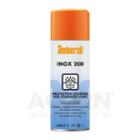

400 ml, Aerosol spray, Corrosion protection, 5017419371459
30300, Ambersil, Galvanising Zinc Rich High Temperature Zinc Corrosion Protection

400 ml, Aerosol spray, Corrosion protection, 5017419372289
32708, Ambersil, Tool Guard Clear Highly Visible Corrosion Inhibitor
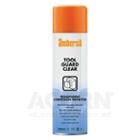
500 ml, Aerosol spray, Corrosion protection, 5017419373538
32449, Ambersil, Blue Mould Protective FG NSF Reg. Highly Visible Dry Film Anti-Corrosion Treatment

400 ml, Aerosol spray, NSF H1 Registered, Corrosion protection, 5017419373408
Where are corrosion inhibitor products used?
Corrosion inhibitor greases are used wherever equipment is exposed to water and other harsh environmental conditions. This could be due to arduous outdoor conditions, or frequent high pressure washdowns.
Industries which use corrosion inhibitor grease include:
For example, Corrosion Inhibitors play a crucial part in preventing damage to pipelines and drills in the oil and gas industry. In this industry, they are applied to form a protective film on the surface of the equipment, helping to prevent damage and increase the lifespan of vital components.
When applied to surfaces, Corrosion Inhibitors create a protective film that aims to protect the material by preventing corrosive agents from reaching it.
Need help with Corrosion Inhibitors?
Contact us today for more information regarding our range of Corrosion Inhibitors.
Corrosion Inhibitors FAQs
How easy to use are Corrosion Inhibitors?
The process of applying Corrosion Inhibitors is particularly easy, simply ensure the relevant surface is clean and apply an even layer to ensure protection.
How long does the protection offered by Corrosion Inhibitors last for?
When applied correctly, corrosion inhibitors protect the relevant materials from corrosion for anywhere between 1 to 3 years.
How often should you apply Corrosion Inhibitors?
The frequency of applying corrosion inhibitors varies based on environmental conditions, equipment type, and the specific inhibitor used. Regular inspections and adherence to manufacturer guidelines are essential to ensure optimal protection against corrosion.