
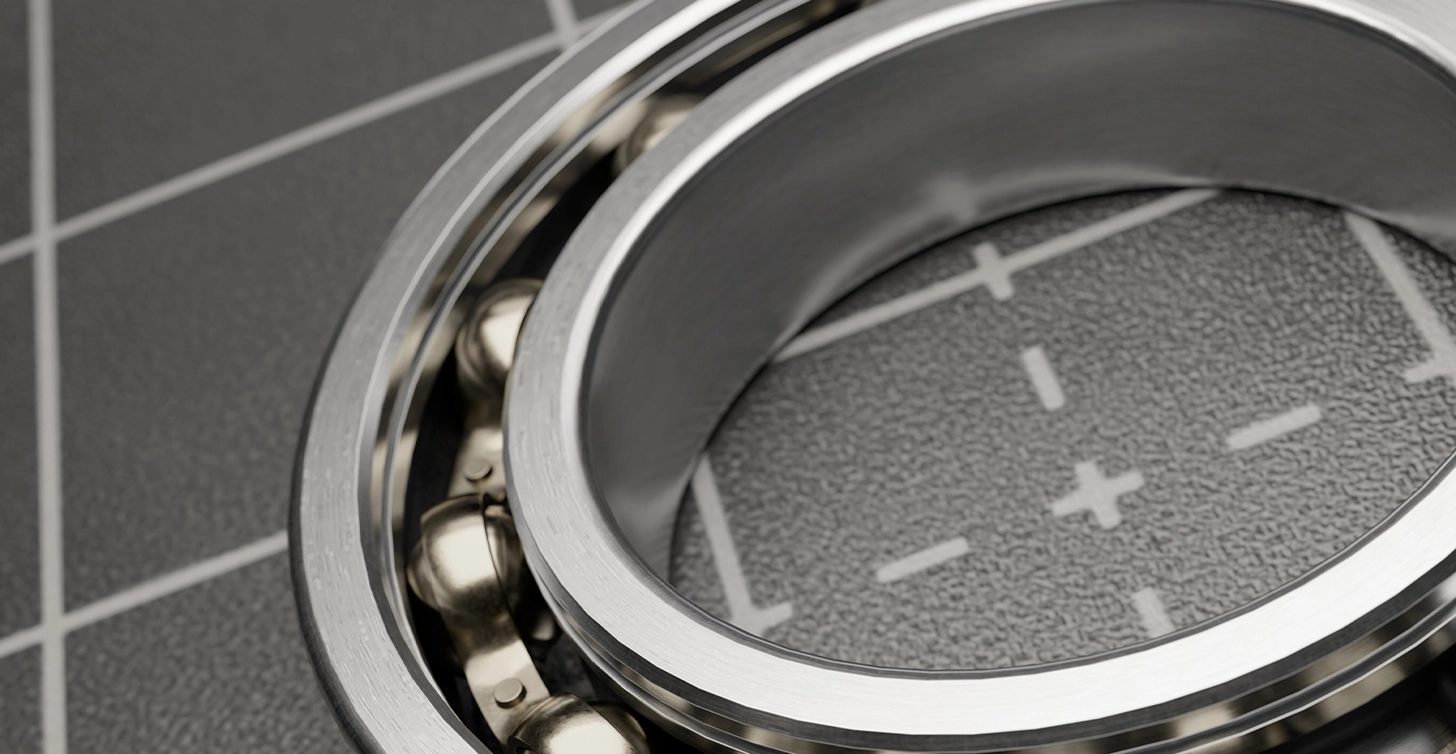
SKF roller bearings are precision-engineered components that support rotating shafts and carry loads in industrial machinery. Instead of balls, they use rolling rollers (cylindrical, tapered, spherical, or needle-shaped), which spread the load over a larger contact area and give higher load capacity than ball bearings.
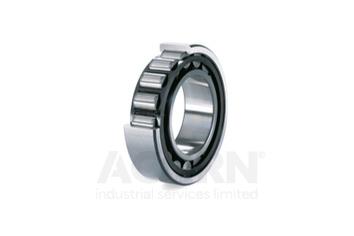
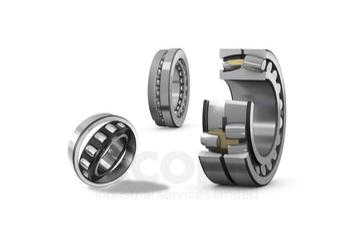
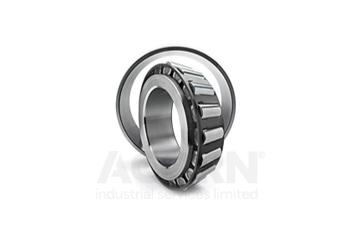
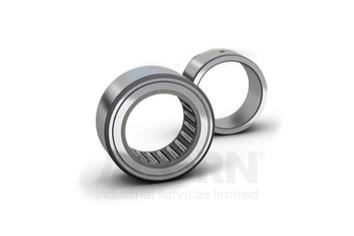
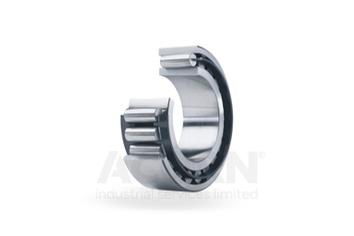


Roller bearings use rolling elements (rollers) rather than balls between the inner and outer rings. The line contact between rollers and raceways gives roller bearings:
Rollers are cylindrical in shape
Support high radial loads
Can tolerate limited axial displacement (some designs allow axial adjustment)
Common series: NU, N, NJ, NUP
Applications: Electric motors, gearboxes, machine tools.
Rollers are conical
Support combined radial and axial loads in one direction
Can be arranged in pairs for bi-directional axial support
Common series: 30200, 30300, 32000, 32200
Applications: Automotive wheel hubs, gearboxes, heavy machinery.
Rollers are barrel-shaped
Can accommodate radial and axial loads in both directions
Tolerate misalignment between shaft and housing
Common series: 213, 222, 223, 230, 231
Applications: Heavy-duty conveyors, mining equipment, paper machines.
Rollers are long and thin
Provide high radial load capacity in a compact design
Can be caged or full complement
Common series: NA, NK, RNA, HK
Applications: Automotive transmissions, compressors, small gearboxes.
Determine load type (radial, axial, or combined)
Evaluate speed requirements
Consider misalignment and shaft deflection
Select appropriate bearing type (cylindrical, tapered, spherical, needle)
Choose cage material and sealing
Check precision class for application needs
Evaluate installation space and axial/radial limits
High radial load capacity
Can handle combined loads (tapered, spherical)
Suitable for heavy-duty or high-rigidity applications
Some designs can tolerate misalignment or shaft deflection