

CASE STUDY: Small Lubricators Making a Big Difference on a Wrapper Application
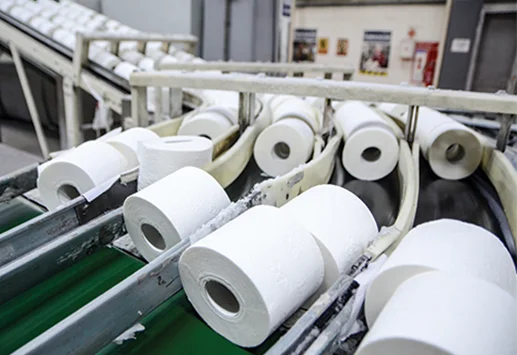
A national FMCG manufacturer producing toilet and kitchen roll for a major discount retailer was experiencing a familiar maintenance challenge: bearings on a wrapper application needed regular lubrication, but key points were difficult to access, with limited space. The maintenance engineer was concerned that inconsistent lubrication could lead to premature bearing failure and unplanned downtime, particularly as the wrapper application was critical to keeping production moving. Wanting to address the risk before it became a breakdown, the engineer contacted ACORN’s MRO Sales Specialist, Lee Dobson, for support.
Explore the range of simatec automatic lubricators
Lee attended site to review the application first-hand and understand what was happening in practice. During the survey, it became clear that manual greasing wasn’t just time-consuming, it also created avoidable risk. Limited access meant lubrication was harder to complete consistently, and the potential for under-lubrication or over-lubrication increased, both of which can shorten bearing life. Lee’s assessment pointed towards a simple, more reliable approach: an automatic lubrication solution that could deliver a controlled amount of lubricant over time, without requiring frequent intervention.
Further checks around available space and lubrication requirements confirmed that a compact unit was essential. Lee specified simalube 15ml automatic lubricators, as they could be mounted directly onto the bearing units without obstructing the process or interfering with guarding and surrounding components. Crucially, the selected units could be set to dispense over a 12-month period, ensuring steady lubrication in an area that was otherwise difficult to service safely and consistently.
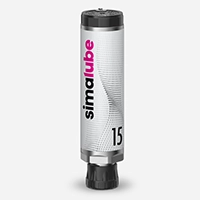
With the new lubricators in place, the maintenance engineer expects a full year of continuous lubrication on the wrapper application, helping to protect uptime and reduce the likelihood of lubrication-related bearing failure. The site also anticipates lower maintenance time spent assessing awkward points, reduced lubricant waste by avoiding over-greasing, and improved overall reliability through consistent, measured delivery.