

How to Save Energy and Costs with Automatic Lubrication
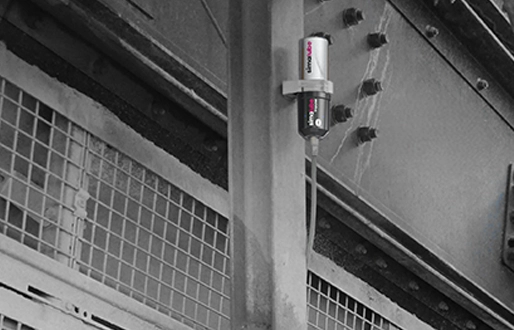
When we talk about saving energy in industry, we usually picture huge, costly changes. But there’s often a quieter culprit nibbling away at budgets and efficiency every minute your machines are running.
Find out more about the importance of proper bearing lubrication for optimal performance
It doesn’t send invoices, and it doesn’t appear on dashboards until it’s already too late. Friction is one of the most persistent, invisible energy drains in mechanical systems and it’s closely tied to wear, breakdowns, and downtime.
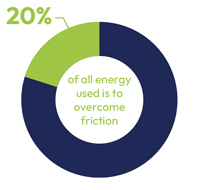 One widely cited finding from the VTT Technical Research Centre of Finland in cooperation with the OECD/IEA suggests that around one fifth of all energy is used to overcome friction.
The good news is that a meaningful chunk of friction-related loss is avoidable. And one for the most straightforward way to tackle it is with automatic lubrication, using single-point automatic lubricators from brands such as Simalube, deliver the right amount of grease or oil, consistently over time.
The Invisible Energy Drain
Friction shows up in 2 expensive ways:
1. Energy losses
Components that aren’t properly lubricated need more power to do the same work. Bearings, chain and guide resist motion, and motors draw more current to compensate.
2. Wear and tear
Poor lubrication accelerates surface damage, contamination ingress, and heat build-up. Even small lubrication gaps can shorten component life dramatically.
A key risk here is dry running: when lubricant supply is insufficient, inconsistent, or simply forgotten. Dry running can quickly from minor inefficiencies to major failures, especially in bearings and other high-load points.
Why manual lubrication can miss the mark
Manual greasing works, but it’s easy for real life situations to interfere. Lubrication intervals can often get stretched during busy periods, and hard-to-reach points get less attention due to the time intensive maintenance required. Not only this, but amounts dispensed can vary by technician, shift, or access conditions, and this means over lubrication can happen (which can be just as harmful as under-lubrication).
Automatic lubricators, small device with a big impact
A single-point automatic lubricator like the Simalube range provides a slow and steady flow of grease or oil to a lubrication point over a set period.
Instead of a big blob of grease every few weeks, you get a controlled, continuous supply.
This matters because lubrication isn’t only about having grease in the bearing. It’s about maintaining the right lubrication film at the right time, under real operating conditions.
What automatic lubrication helps you achieve:
- Reduced friction through consistent lubrication film formation
- Prevention of dry running by maintaining supply between manual intervals
- Lower operating temperatures
- Less wear and longer component life
- Fewer unplanned stoppages tied to lubrication-related failures
- More predictable maintenance and less firefighting
Energy efficiency and how lubrication connects to your energy bill
Energy losses from friction don’t always look dramatic on paper, because they’re spread thinly across many assets. But that’s exactly why they’re dangerous – they compound quietly.
By keeping friction lower and more stable, automatic lubrication contributes to reduced motor load & less resistance to overcome, improved mechanical efficiency, smoother operation with fewer peaks from heat and binding, and better repeatability in process and performance.
Even if you don’t measure energy at every asset, you often see the symptoms improve: reduced heat, reduced vibration, fewer bearing issues, fewer emergency callouts.
CO2 reduction
CO2 reduction follows energy reduction. If equipment uses less energy to do the same output, emissions drop too. By lowering friction-driven energy consumption, you reduce premature part replacement, you extend intervals between maintenance visits and reduce unplanned failures that can waste product and energy during restarts.
Where automatic lubricators make the most sense
Automatic lubricators are especially useful when lubrication points are: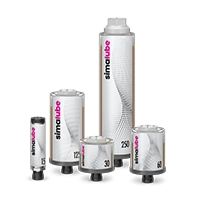
- Hard to reach (whether behind guards, at height, or in tight spaces)
- Safety sensitive
- Critical to uptime (where a single failure stops a whole line)
- Operating continuously
- Exposed (dust, water washdown, or contamination risk)
Common applications include bearings on motors/fans, conveyors, pumps, production lines, and general rotating equipment.
Friction is a silent tax on energy, maintenance, and asset life. Automatic lubrication tackles it by keeping lubrication consistent, prevents dry running, and lets machines run closer to their intended efficiency, saving energy and CO2.
Talk to our product experts for most energy efficient solutions for your machinery