

MB 52, Timken, Locking washer
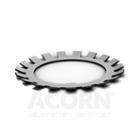

Tab Washer, Steel
MB 56, Timken, Locking washer
Tab Washer, Steel, EAN code: 0087796081260
MB 6, Timken, Locking washer
Tab Washer, Steel, EAN code: 0087796028364
MB 9, Timken, Locking washer
Tab Washer, Steel, EAN code: 0087796028401
MBL 32, Timken, Locking washer
Securing plate, Steel, EAN code: 0013992211491
MBL 34, Timken, Locking washer
Securing plate, Steel, EAN code: 0013992211545
MBL 36, Timken, Locking washer
Securing plate, Steel, EAN code: 0013992211590
MBL 38, Timken, Locking washer
Securing plate, Steel, EAN code: 0087796028852
MBL 40, Timken, Locking washer
Securing plate, Steel, EAN code: 0013992211644
TAN132, Timken, Lock nut
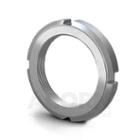
Nut, Steel, EAN code: 0053893004150
TAN136, Timken, Lock nut
Nut, Steel, EAN code: 0053893004280
TAN138, Timken, Lock nut
Nut, Steel, EAN code: 0053893004433
TAN140, Timken, Lock nut
Nut, Steel, EAN code: 0053893004563
TAN19, Timken, Lock nut
Nut, Steel, EAN code: 0053893001371
TAN20, Timken, Lock nut
Nut, Steel, EAN code: 0053893001395
What types of locknuts and washers are available from Timken?
Lock Nuts are used to locate bearings and other components on shafts, as well as, to facilitate mounting and dismounting of bearings on withdrawal sleeves or tapered journals. Lock Nuts have equally spaced slots around the outside diameter to facilitate the use of a hook spanner or impact spanner.
Locking Washers are used to engage a groove in the shaft and secure the Lock Nut in position. When a washer with increased strength is needed, the MB. A design locking washer is the ideal choice.
Locking Clips are attached to the Shaft Nut using a screw with a hexagonal head.
Locking Plates are attached in the same way as the Locking Clips and are also supplied with a steel wire to pass through the holes in the head of each screw. The ends of the wire should be twisted together to prevent loosening of the screws.