Used throughout industry and on a wide range of applications, flexible couplings are ideal for demanding applications. They are considered less expensive when compared to other types of coupling devices with similar torque capabilities. Flexible couplings are also maintenance-free and don’t require lubrication.
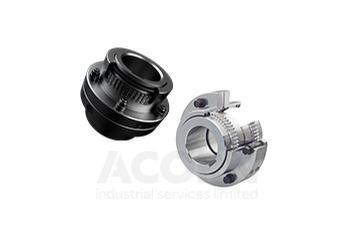
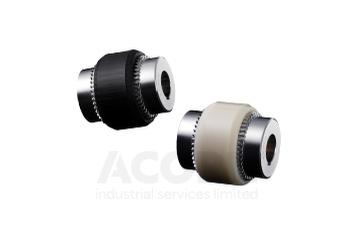
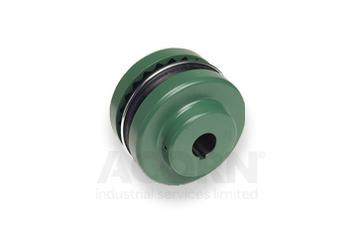
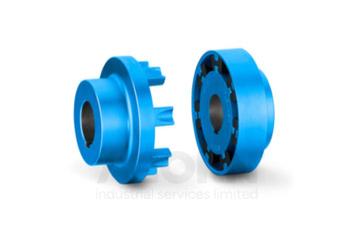


Choosing the right coupling or drive for your application can be a complex task. At Acorn Industrial Services, we’re here to make that process easier for you. Here are some factors to consider:
Torque Requirements: Understanding the torque requirements of your application is crucial. This will help you choose a coupling that can handle the load without failure.
Shaft Sizes: The sizes of the shafts you’re connecting will influence the type of coupling or drive you need. Make sure to measure these accurately.
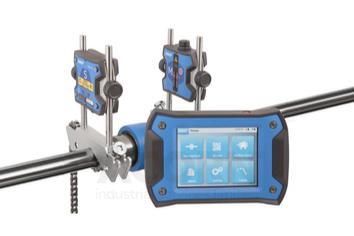
Alignment: Bad alignment can adversely affect a coupling’s performance. Choose a coupling that can accommodate any misalignment in your system.
Environmental Conditions: Consider the conditions in which the coupling will operate. Factors like temperature, humidity, and exposure to chemicals can impact the performance and lifespan of the product.
Maintaining your couplings is key to ensuring their longevity and optimal performance. Here are some tips:
Regular Inspection: Regularly inspect your couplings for signs of wear and tear. This can help you identify and address issues before they lead to failure.
Understanding Common Issues: Familiarise yourself with common issues that can occur with your specific type of coupling. This can help you identify problems early and take corrective action.
Seeking Professional Help: If you’re unsure about a problem or how to fix it, don’t hesitate to seek professional help. Our experts at ACORN Industrial Services are always ready to assist.
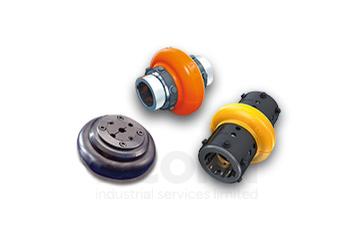
Elastomer Couplings: These couplings use an elastomeric element to absorb shock and vibration, allowing for misalignment between connected shafts. The elastomer is typically made of polyurethane and is bonded to a corrosion-resistant shoe, eliminating the need for mechanical clamping hardware.
PENCOflex Couplings: These elastomer couplings are available in various sizes and hub types, accommodating different shaft gaps and providing flexibility in installation.
SURE-flex Couplings: These couplings offer a range of machining options, including straight bore, taper bore, and keyway types. They are designed to balance according to ISO standards and are suitable for high-speed applications
At Acorn Industrial Services, we offer a diverse range of flexible couplings tailored for motor applications, ensuring that your machinery operates efficiently and reliably. Whether you’re working with electric motors in manufacturing or heavy-duty engines in industrial settings, our experts can guide you in selecting the perfect coupling to match your needs.
If you’d like to learn more about the different types of couplings, read our Everything You Need to Know About Couplings guide next.
The term flexible coupling is often interpreted in different ways.
We use the term to describe the couplings' elastomeric properties, i.e. having an elastomer or elastic-type element.
Typically, this element is made of a rubber or urethane compound or derivative, which makes the flexible coupling ‘torsionally soft’, allowing it to absorb impacts, dampen vibration, and cushion shock loads. It also makes the coupling well suited for applications with high shaft misalignment and, depending on the type used, can accommodate angular, parallel, axial and radial shaft displacements.
Flexible couplings are an indispensable component in many industrial applications, offering numerous benefits that contribute to the smooth and efficient operation of machinery. Here are some of the key advantages of using flexible couplings:
Absorbs Impacts: Reduces wear and tear on machinery.
Dampens Vibrations: Ensures smoother operation and reduces noise.
Cushions Shock Loads: Protects machinery from sudden shocks.
Maintenance-Free: Reduces downtime and maintenance costs.
Cost-Effective: More affordable compared to other types of couplings with similar torque capabilities.
At ACORN industrial services, our offerings extending beyond just flexible couplings. We are committed to providing other couplings & drives products to meet your industrial needs:
Flexible couplings are mechanical devices used to connect two rotating shafts while accommodating misalignment and absorbing shocks and vibrations. They are designed to transfer torque from one shaft to another, ensuring smooth and efficient operation of machinery.
Choosing the right flexible coupling involves considering factors such as torque requirements, misalignment accommodation, and environmental conditions. Our experts can help you select the best coupling for your needs.
Flexible couplings can accommodate various types of misalignment, including angular, parallel, and axial, ensuring smooth operation even when shafts are not perfectly aligned.
Flexible couplings are typically made from materials like rubber, urethane compounds, and metal composites, selected for their durability and ability to handle specific operating conditions.
Typically, flexible couplings used for high-pressure industrial applications have pressure ratings that can handle up to 40 bars. Always check the manufacturer’s specifications when selecting your high-pressure coupling to ensure it can handle the application in mind.
Flexible couplings can manage vibration and shock much better than rigid couplings, and don’t suffer as much wear as a result. It’s worth noting that flexible couplings may be more complex to install.
You may need to replace your coupling if you spot the following issues:
Lubricant leakage (may suggest a failed seal)
Abnormal noises
Excessive vibration
If you need to replace your coupling, be sure to view our selection of couplings above or speak to one of our experts today.